
"Arabica Ecuador"
600 article(s) found

Introduction to the flavor description characteristics of the fragrant Santa Cruz Manor in Ecuador
Ecuador is one of the few countries in South America that produces both Arabica and Robbins. However, as the land suitable for Arabica coffee trees is decreasing, the production of Robbins coffee is gradually increasing. The best Arabica coffee comes from the Andes, especially the Chanchagu Valley (Chanchamgo Valley), which is divided into two mountains from the south.

A balanced and refreshing Hasenda Coffee Estate Boutique Coffee Bean Origin Development History Culture Introduction
Arabica coffee trees were first introduced to Ecuador in 1952, and their coffee quality is very good, especially when harvested in early June. Ecuadorian coffee beans can be divided into Galapagos (Galapagos) and Gigante (Gigante) two varieties, both have large particles, heavy portions of characteristics. Ecuadorian coffee can be divided into No.1 and ExtraSuperior according to quality.

Flavor description of Ecuadorian Coffee Grinding scale Variety introduction of regional treatment method for taste production
The national emblem of Ecuador was launched in 1900, which is similar to the national emblem of Colombia. A ferocious American condor vulture spreads its wings above the national emblem. It is the national bird of Ecuador, symbolizing sovereignty and independence. The design of Ecuador's national emblem is unique, which fully shows the amorous feelings of the country: Mount Chimborazo, Ecuador's highest peak, is covered with snow and stands towering against the blue sky.

The Historical and Cultural changes of the Holy Fine Bean of Hasunda Manor in Ecuador
Professional coffee knowledge exchange more coffee bean information please follow the coffee workshop (Wechat official account cafe_style) Galapagos is rich in species, there are animals and plants in the cold and warm world, here is a natural paradise. The most famous animal is a prehistoric creature, the giant tortoise, also known as the Galapagos tortoise, one of the oldest animals in the world, which has lived here for millions of years.

Introduction to Santa Cruz Manor in Ecuador Coffee Manor
Ecuador is one of the few countries in South America that produces both Arabica coffee and Robbins coffee. However, as the land suitable for Arabica coffee trees is decreasing, the production of Robbins coffee is gradually increasing. The best Arabica coffee comes from the Andes, especially the Chanchagu Valley (ChanchamgoValley), which is divided into two mountains from the south.

Fragrant Hassanda Coffee Manor Fine Coffee Bean cultivation geographical location, climate, altitude is simple.
The Arabian Coffee Tree was first introduced to Ecuador (Ecuador) in 1952 and its coffee is of good quality, especially the coffee harvested in early June. Ecuadorian coffee beans can be divided into two varieties: Galapagos and Gigante, both of which have the characteristics of large granules and heavy weight. Ecuadorian coffee can be divided into first class (No.1) and super excellent (ExtraSuperior) according to its quality.

Ecuador coffee industry giant-Acklin agricultural association selected small farmers batch flavor introduction
Professional barista exchanges, please pay attention to coffee workshop (Weixin Official Accounts cafe_style) Ecuador-Aclin Agricultural Association-washing treatment method Ecuador has infinite potential, the coffee produced has exotic flavor, and the quality is also worthy of recommendation. However, the biggest problem at present lies in the output. Ecuador's annual coffee export volume is only 100 containers (1 container = 40,000 pounds) of washed Arabica.

Introduction to the fragrant coffee flavor and taste of the coffee in Hassanda Coffee Garden in Ecuador
Ecuador is divided into the western coast, the central mountains, the eastern Amazon River basin and the four central regions of the Galapagos Islands, with diverse climatic conditions. The western coastal plain belongs to the tropical rain forest climate, with an average temperature of 23-25 ℃. The central Andes. The intermountain basin in this area belongs to the savanna climate, and the mountain belongs to the subtropical forest climate, with perennial snow above 4000 meters above sea level. Annual average decline

Ecuador Coffee Plantation Where is the Origin_Ecuador Alpine Coffee Price List
Professional coffee knowledge exchange More coffee bean information Please pay attention to coffee workshop (Weixin Official Accounts cafe_style) How are Ecuadorian coffee beans grown? What are the characteristics of Ecuadorian coffee beans? Ecuador borders on the Pacific Ocean, the eastern region near the coast is plain terrain, and the central part is higher in altitude, including Chimbor Mountain (6310 meters above sea level).
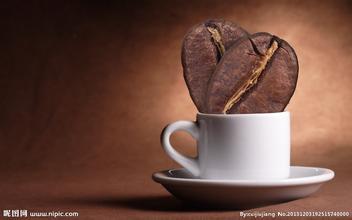
The taste of coffee in Santa Cruz Manor, Ecuador is very balanced and refreshing.
Port Guayaquil is the largest seaport in Ecuador. It faces the Pacific Ocean and backs against Mount Santa Ana. The nearby island of Pune serves as a natural barrier to protect the harbour from storms. There is a wharf in the south, which is more than 900 meters long. Ships from different parts of the world flying various flags are moored in the harbor. The port railway leads to the capital Quito, and highways connect Quito with other cities in the country.

Introduction to the characteristics of coffee flavor and taste manor of Santa Cruz Manor in Ecuador
Port Guayaquil is the largest seaport in Ecuador. It faces the Pacific Ocean and backs against Mount Santa Ana. The nearby island of Pune serves as a natural barrier to protect the harbour from storms. There is a wharf in the south, which is more than 900 meters long. Ships from different parts of the world flying various flags are moored in the harbor. The port railway leads to the capital Quito, and highways connect Quito with other cities in the country.

Coffee bean producing areas-South America-Ecuador (Ecuador)
Well-known representative coffee: Galapagos is between Colombia and Peru, and Ecuador, which passes through the equator, is one of the few countries in South America that produces both Arabica and Robastian coffee. In fact, Ecuador means the Spanish equator. Due to the use of old-fashioned traditional harvesting and handling methods, Ecuadorian coffee has not been

Introduction to the processing methods and grinding degree of high-quality coffee beans in Ecuadorian coffee flavor description
The Arabian Coffee Tree was first introduced to Ecuador (Ecuador) in 1952 and its coffee is of good quality, especially the coffee harvested in early June. Ecuadorian coffee beans can be divided into two varieties: Galapagos and Gigante, both of which have the characteristics of large granules and heavy weight. Ecuadorian coffee can be divided into first class according to quality (No. 1) and Extra Superior

Ecuador, the highest Arabica coffee plantation in the world
Since the coffee tree was first introduced into Ecuador in 1875, the quality of its coffee has remained unchanged for 100 years, especially the coffee in June every year, which is known as the best coffee in the world. Ecuadorian coffee beans, especially the Galapagos Islands, are endowed with excellent genes that are superior to those of other producing areas and taste passionately in love when drunk.

Introduction to the varieties of Grinding scale of Galapagos Coffee beans in Ecuador
Ecuador Galapagos coffee bean flavor description grinding scale variety introduction when Thomas and the crew landed on the island, they were frantically looking for water and were so thirsty that they squeezed juice out of the fat leaves of the cactus to drink. At last a source of water was found in a rocky gully. Thomas attributed it to God's gift because it was good Friday.
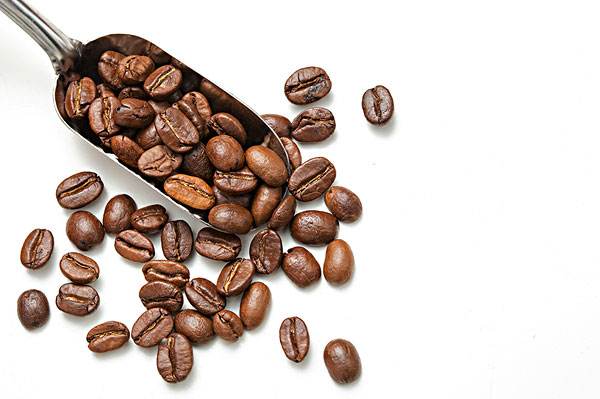
An introduction to the history of coffee in Ecuador
Following caf é (Wechat official account vdailycom) found that Cafe Beautiful opened a small shop of its own. Coffee arrived in Ecuador's Manabi province around 1860, then spread throughout the region, and began to be exported to Europe from the port of Manta in 1905. Ecuador is one of the few countries that grow Arabica and Robusta. When diseases and insect pests hit the cacao tree in the 1920s,

Special aroma coffee flavor description of Ecuador Hasunda Coffee Garden
The national emblem of Ecuador was launched in 1900, which is similar to the national emblem of Colombia. A ferocious American condor vulture spreads its wings above the national emblem. It is the national bird of Ecuador, symbolizing sovereignty and independence. The design of Ecuador's national emblem is unique, which fully shows the amorous feelings of the country: Mount Chimborazo, Ecuador's highest peak, is covered with snow and stands towering against the blue sky.
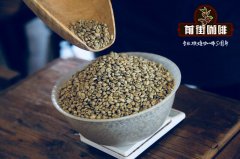
Coffee bean producing countries introduce Ecuadorian coffee
For more information on coffee beans, please follow the Coffee Workshop (Wechat official account cafe_style) Ecuador, a member of the Union of South American Nations, located in the northwest of South America, bordering Colombia in the north, Peru in the south and the Pacific Ocean on the west. Quito, the capital, is located in the foothills of Mount Picancha. As we all know, Ecuador has many living things in the world.

Introduction to the characteristics of Ecuadorian Coffee Flavor description and Grinding degree treatment
The Arabian Coffee Tree was first introduced to Ecuador (Ecuador) in 1952 and its coffee is of good quality, especially the coffee harvested in early June. Ecuadorian coffee beans can be divided into two varieties: Galapagos and Gigante, both of which have the characteristics of large granules and heavy weight. Ecuadorian coffee can be divided into first class (No.1) and super excellent (ExtraSuperior) according to its quality.
Coffee bean producing areas-South America-Ecuador (Ecuador)
Well-known representative coffee: Galapagos is between Colombia and Peru, and Ecuador, which passes through the equator, is one of the few countries in South America that produces both Arabica and Robastian coffee. In fact, Ecuador means the Spanish equator. Due to the use of old-fashioned traditional harvesting and handling methods, Ecuadorian coffee has not been